
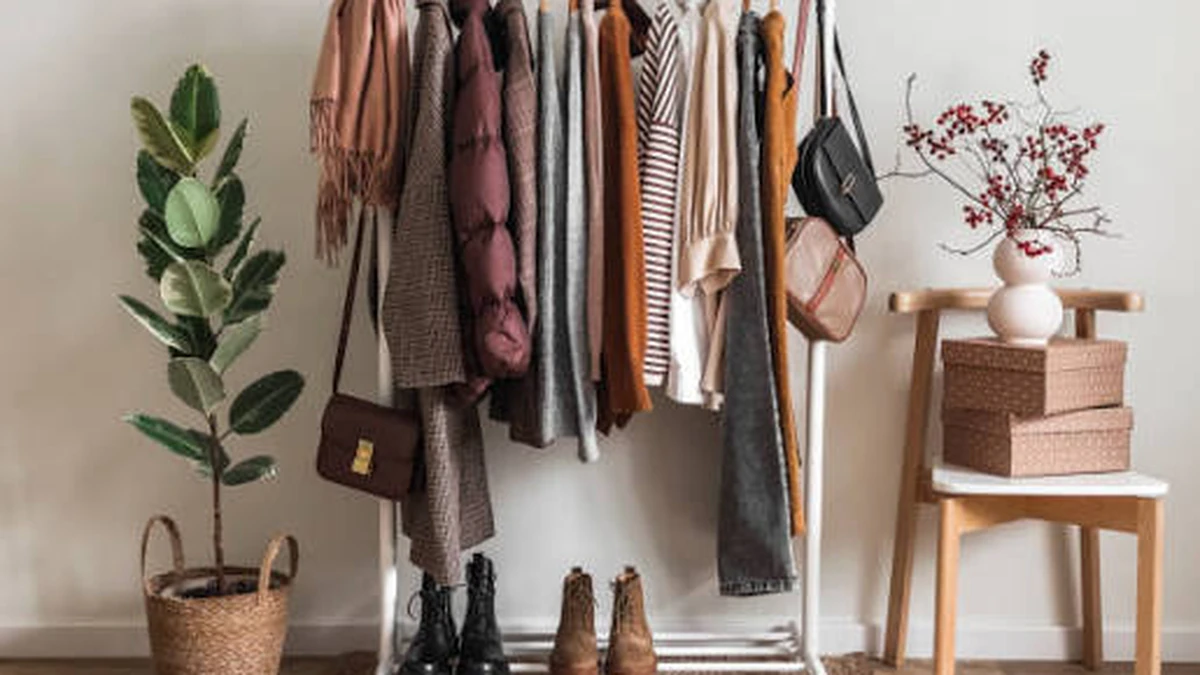
Most people ruin their first streetwear wardrobe before they even wear it. They buy one hyped hoodie, one loud graphic tee, and a pair of sneakers that don’t talk to anything else in the closet — then wonder why nothing pairs together. Starting streetwear the right way isn’t about chasing drops. It’s about building a small, mixable base first.
How to start a streetwear wardrobe, begin with 8–10 versatile pieces in neutral colors — 3 tees, one hoodie, two bottoms, one jacket, and two pairs of sneakers — before adding graphic or statement pieces. Prioritize fit and fabric quality over logos, and expect to spend $100–$300 on a functional starter rotation.
What Streetwear Actually Means
Streetwear didn’t start on a runway. It grew out of 1990s skate culture in California and hip-hop culture on the East Coast, where function met identity — baggy fits for movement, bold graphics for self-expression, and a rejection of formalwear rules. That history still shapes the aesthetic: relaxed silhouettes, comfortable fabrics, and pieces that say something about who’s wearing them.
Understanding this matters practically. It’s why an oversized tee and clean sneakers read as “streetwear” while a fitted polo doesn’t, even though both are casual. Streetwear is a specific visual language, not just “casual clothes.”
Find Your Style Before You Shop
Before buying anything, figure out which direction you’re leaning:
- Minimalist streetwear — clean lines, neutral tones, little to no logo, quality fabric over branding
- Graphic-heavy streetwear — bold prints, brand logos, statement colorways
- Utility/skate-influenced — cargo pants, workwear jackets, function-first pieces
You don’t need to commit forever. But picking a lane for your first 10 items keeps your closet coherent instead of scattered. Scroll a few streetwear Instagram or Pinterest boards, save what actually feels like you (not just what’s trending), and let that guide your first purchases.
The Build Order — How to Start a Streetwear Wardrobe
This is the part most guides skip, and it’s the part that saves you money. Buy in this order:
- Neutral tees first (3–5 pieces). Black, white, and grey tees in a heavier cotton — these anchor every future outfit.
- One hoodie. Neutral colored, slightly oversized. This becomes your most-worn piece.
- Two bottoms. One relaxed jean or cargo pant, one jogger. Cover both a structured and a comfortable option.
- One pair of everyday sneakers. Something clean and neutral — white or black leather works with everything.
- One outerwear piece. A bomber, coach jacket, or denim jacket to layer over the rest.
- Then, and only then, add statement pieces — a graphic tee, a bolder sneaker colorway, or a printed jacket.
Buying in this order means every new piece you add can already be worn with everything you own. Buying a statement piece first means you own one outfit, not a wardrobe.
The Core Essentials List
Tees
Aim for 8–12 tees over time, split roughly 60% neutral basics and 40% graphic or statement pieces. Look for heavier cotton — around 200–240 GSM — which drapes better and lasts longer than thin fast-fashion tees.
Bottoms
Cargo pants, joggers, and relaxed or straight-leg jeans all work. Utility-inspired pants (multiple pockets, drawstrings) fit the aesthetic naturally and add function.
Outerwear
One hoodie is non-negotiable. Beyond that, a bomber jacket, coach jacket, chore coat, or track jacket each layer well over tees and under bigger coats in colder months.
Footwear
Two pairs covers most beginners: one clean, low-profile sneaker (think classic white leather silhouettes) and one bolder pair for statement fits. Rotate them so both last longer.
Accessories
A beanie or bucket hat, a crossbody or utility bag, and a simple chain or ring round things out. These are cheap ways to change an outfit’s mood without buying new clothing.
Color Palette — Why Neutrals Win First
Black, white, grey, and earth tones like olive and tan form the backbone of a beginner streetwear wardrobe. The reason is mechanical, not aesthetic: neutrals mix with everything, so a small number of pieces produces a large number of outfits. Once your base is solid, add one or two accent colors at a time — through a jacket, sneaker, or graphic tee — rather than buying multiple bold colors at once, which fragments your rotation into outfits that only pair with themselves.
Fit & Silhouette Rules
Fit is where most beginners lose the plot. The modern streetwear silhouette pairs a relaxed or oversized top with a more tapered or straight bottom — the contrast is what makes the outfit look intentional instead of just baggy. Going oversized on both top and bottom usually reads as sloppy rather than stylish; going fitted on both loses the streetwear character entirely. If you’re unsure where to start, size your tees and hoodies one size up, and keep pants at your true size or slightly tapered.
Budgeting Without Overspending
A functional starter wardrobe doesn’t require designer prices. Realistic numbers for a first rotation:
| Category | Budget Option | Approx. Cost |
|---|---|---|
| Tees (3) | Uniqlo, H&M, thrifted | $30–$60 |
| Hoodie | Champion or similar | $30–$60 |
| Bottoms (2) | Uniqlo, thrifted cargos | $40–$80 |
| Sneakers (1 pair) | Classic leather low-tops | $60–$100 |
| Outerwear | Thrifted bomber/jacket | $20–$50 |
| Total | $180–$350 |
You can get a working starter outfit for well under $100 if you lean on thrift stores for sneakers and jackets and stick to basics-focused retailers for tees. The goal is fewer, smarter purchases — not maximum volume.
For secondhand and resale pieces, Depop, eBay, and Grailed are the three biggest marketplaces, and thrift stores remain the cheapest way to find outerwear and denim specifically.
Brands Worth Knowing
| Tier | Brands | Good For |
|---|---|---|
| Budget basics | Uniqlo, H&M | Tees, layering pieces |
| Mid-range staples | Champion, Carhartt WIP | Hoodies, workwear-inspired pieces |
| Streetwear-native | Stüssy, BAPE | Graphic tees, established streetwear aesthetic |
| Hype/limited | Supreme, Palace | Statement and collector pieces (buy last, not first) |
Save hype and limited-drop brands for after your basics are locked in. They’re the most expensive way to build a foundation and the best way to accent one you already have.
Layering Techniques
Layering is what separates a flat outfit from a fitted one. A few reliable combinations:
- Tee under an open flannel or chore coat
- Hoodie under a bomber or denim jacket, hood out
- Long-sleeve under a short-sleeve graphic tee
- Track jacket zipped over a plain tee, half-zipped for texture
Keep the base layer close-fitting and let the outer layer carry the volume — that contrast is what makes layered fits look deliberate.
Common Beginner Mistakes
- Buying hype pieces first. One expensive hoodie doesn’t build a wardrobe — it builds one outfit.
- Skipping fit. Buying your normal size in everything instead of sizing up on tops specifically.
- All bold, no neutral. A closet with five loud graphic pieces and no basics has almost no combinations.
- Ignoring fabric weight. Thin, cheap cotton pills and loses shape fast; it’s worth paying slightly more for heavier tees and hoodies.
- Treating it as a costume. Copying one influencer’s exact fit instead of building pieces that reflect your own taste.
Caring for Your Pieces
Streetwear fabrics — heavyweight cotton, fleece, denim — last longer with a few habits: wash tees and hoodies inside-out in cold water to protect prints and color, avoid the dryer’s high heat on graphic pieces (air dry or low heat), and rotate sneakers rather than wearing the same pair daily so the cushioning recovers between wears. These small habits are the difference between a hoodie lasting one season or five.
Getting Started
You don’t need twenty pieces or a bot for limited drops to start dressing streetwear. You need eight to ten well-chosen basics, one consistent color palette, and an understanding of fit. Build that base first — the graphic tees, bold sneakers, and hype pieces are easy to add once you’ve got something for them to actually pair with.
Start with your first three tees this week, and build outward from there one category at a time.
WANT MORE TIPS LIKE THIS? EXPLORE MORE HERE TO DISCOVER MORE.
FAQ Section
What are the essential pieces in a streetwear wardrobe?
Three neutral tees, one hoodie, two pairs of bottoms (jeans or cargos plus joggers), one jacket, and two pairs of sneakers cover most beginner needs. That’s roughly 8–10 pieces to start.
How do I start dressing streetwear on a budget?
Buy basics — tees, joggers — from affordable retailers like Uniqlo or H&M, and get outerwear and sneakers secondhand through thrift stores or Depop, eBay, and Grailed. A full starter fit can cost under $100.
What colors work best for a beginner streetwear wardrobe?
Black, white, grey, and earth tones like olive and tan. These neutrals combine with everything, so a small closet produces far more outfits than one built around bold colors.
Should my streetwear fit be oversized or fitted?
Neither extreme works well alone. Pair a relaxed or oversized top with tapered or straight-leg bottoms — that contrast is what makes streetwear fits look intentional rather than sloppy.
How many pieces do I need before it counts as a “wardrobe”?
Around 8–10 well-chosen pieces already produce dozens of outfit combinations if they share a consistent color palette. Volume matters far less than how well pieces mix.
What’s the difference between streetwear and regular casual clothes?
Streetwear follows a specific visual language rooted in skate and hip-hop culture — relaxed silhouettes, bold graphics, sneaker culture — while general casualwear has no such consistent aesthetic or cultural throughline.
Is streetwear expensive to get into?
Not necessarily. Hype and limited-drop pieces are expensive, but a functional starter wardrobe built from budget basics and thrifted pieces can run $100–$350 total.
Should I buy graphic tees or plain tees first?
Plain, neutral tees first. They pair with everything you’ll add later. Graphic and statement tees work best once you already have a base to layer them into.