
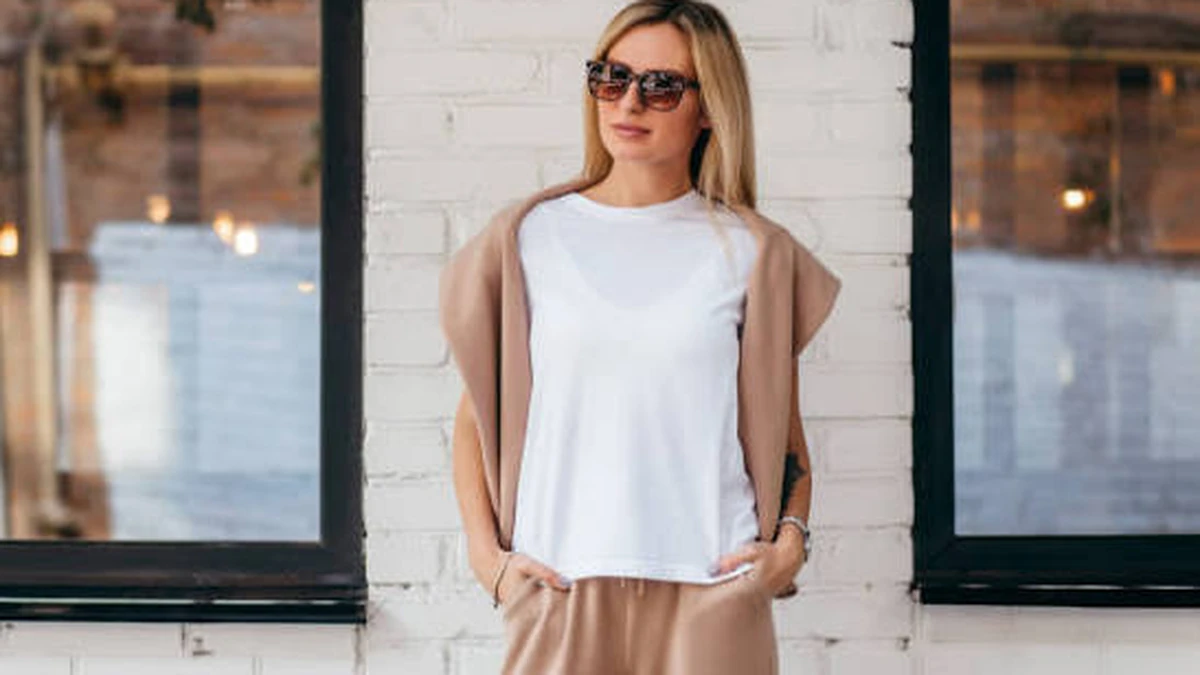
If you want to know how to layer streetwear the right way, the fix usually isn’t buying more clothes — it’s stacking the pieces you already own in the right order. Add a hoodie under a jacket without thinking about weight or fit, and you end up looking padded instead of put-together.
Learning how to layer streetwear comes down to combining a base, mid, and outer layer in order of increasing volume and warmth — for example, a fitted tee, an oversized hoodie, and a structured jacket — so each piece is visible, serves a purpose, and the outfit reads as intentional rather than accidental.
Once you understand that three-part order, everything else — proportion, fabric, color — is just detail work.
How to Layer Streetwear: What It Actually Means
Layering isn’t about wearing more clothes. It’s about giving each piece a job.
Your base layer handles comfort and sits closest to your skin. Your mid layer adds warmth, texture, or color. Your outer layer shapes the whole outfit and is usually the first thing people notice.
Miss this structure and layering turns into random stacking — which is exactly what makes an outfit look bulky or unfinished instead of styled.
How to Layer Streetwear Step by Step (The 3-Layer System)
Here’s the order that actually works, whether you’re new to streetwear or just tired of your fits looking flat.
- Choose a fitted or regular-fit base. A heavyweight tee, longline tee, tank, or long-sleeve shirt worn close to the body. Stick to a neutral — black, white, grey, beige, or olive — so it plays well with whatever goes on top.
- Add a mid layer with more room than your base. This is your hoodie, flannel, crewneck, or overshirt. It should be noticeably roomier than the base so the two don’t compete for the same space on your body.
- Top it with a structured outer layer. A bomber, puffer, varsity jacket, denim jacket, or windbreaker. This piece defines the silhouette and should have enough shoulder and body room to sit cleanly over the first two layers without pulling or bunching.
That’s the whole system: light to heavy, fitted to relaxed, base to statement. Three visible layers is the sweet spot for most outfits — go past that and you start fighting your own silhouette.
Quick takeaway: if you can’t name what each layer is doing (comfort, warmth, or shape), you have one too many.
How to Layer Streetwear Without Looking Bulky: Proportions
This is where most layered outfits fall apart, and it’s rarely about the pieces themselves — it’s about how they sit against each other.
- If your base is oversized, your mid layer needs enough room to sit over it without pulling tight across the shoulders.
- If your outer layer is cropped, let the layer underneath peek out slightly for contrast — but not by much, or the outfit reads unbalanced instead of intentional.
- A heavyweight hoodie with real structure holds its shape under a jacket. A thin, limp hoodie collapses and bunches at the collar and cuffs — that’s the “bulky” look people are actually trying to avoid.
- Varying the length of each layer (a longer base tee under a shorter hoodie, topped with a mid-length jacket) creates visible depth instead of a flat, single-silhouette block.
Fabric quality matters here as much as fit. Construction is what keeps a mid layer from turning into a shapeless lump under outerwear.
Fabric & Texture Choices That Actually Layer Well
Not every fabric layers cleanly, and this is a step people skip.
- Base layers: cotton or a cotton blend for breathability — you don’t want your foundation layer trapping heat before you’ve even added anything on top.
- Mid layers: fleece, wool blends, or brushed cotton for warmth without excess bulk.
- Outer layers: nylon (windbreakers, puffers), denim, or corduroy — materials with enough structure to hold their own shape over two layers underneath.
Mixing textures — fleece against denim, mesh against corduroy — is also what gives streetwear layering its visual depth. An outfit built entirely from one fabric type tends to read flat, even if the colors are on point.
Color and Texture Strategy
Two approaches consistently work:
- Monochrome: all pieces in shades of one color (all black, all grey-tones). This makes fit and texture do the visual work instead of color contrast.
- Neutral base, one statement layer: black, white, grey, beige, or olive base and mid layers, with one jacket or accessory that breaks the palette.
Avoid stacking more than two competing patterns or prints across your layers — a graphic tee under a plain hoodie under a solid jacket reads intentional; a graphic tee under a patterned flannel under a printed jacket reads chaotic.
How to Layer Streetwear by Season
Layering isn’t just a cold-weather technique — most guides only cover winter, which is a mistake if you’re building a year-round wardrobe.
Layering Streetwear in Summer
You can still layer in warm weather — it just means lighter fabrics and fewer pieces:
- Swap the hoodie mid layer for an open button-up, mesh top, or unzipped overshirt worn loose.
- Use a tank or short-sleeve tee as your base instead of a long-sleeve.
- Keep the “outer layer” element light — a thin windbreaker tied at the waist or draped, unzipped, over the shoulders still reads as a third layer without adding heat.
- Sheer or transparent overshirts are a current trend for exactly this reason: they add a visible layer without extra warmth.
Layering Streetwear in Fall and Winter
- Start with a moisture-wicking or heavyweight base layer.
- Move to an insulating mid layer — fleece, wool-mix knit, or a heavyweight hoodie — that traps heat close to the body.
- Finish with a genuinely weatherproof outer layer: puffer, wool coat, or a lined coach jacket.
- Corduroy pants and wool overshirts pull double duty here, adding texture while doing real insulating work.
Common Streetwear Layering Mistakes
- Skipping the size gradient. Wearing three pieces in the same fit (all fitted, or all oversized) removes the contrast that makes layering look deliberate.
- Using a base layer that’s too thick. If your base competes with your mid layer for bulk, nothing underneath your outerwear will sit right.
- Hiding every layer. If nobody can see the base or mid layer at the collar, cuffs, or hem, you’re not layering — you’re just wearing one outfit under another.
- Ignoring fabric weight. A thin cotton hoodie under a structural jacket will bunch and wrinkle in a way a heavier, stiffer hoodie won’t.
- Over-layering. Four or five pieces rarely reads better than three well-chosen ones — it usually just adds bulk without adding style.
Outfit Formulas to Copy
Use any of these as a starting template, then adjust colors and proportions to your own wardrobe:
| Formula | Base | Mid | Outer |
|---|---|---|---|
| Classic | Fitted tee | Oversized hoodie | Denim jacket |
| Cold weather | Long-sleeve thermal | Heavyweight crewneck | Puffer jacket |
| Warm weather | Tank top | Open button-up | Draped windbreaker |
| Techwear-inspired | Compression top | Fleece zip-up | Nylon shell jacket |
| 90s revival | Graphic longsleeve | Vintage band tee (worn over) | Varsity or letterman jacket |
Finish any of these with sneakers and one accessory — a beanie, bucket hat, or scarf — which acts as a fourth, low-commitment “layer” that ties the look together without adding bulk.
FOR MORE HELPFUL GUIDES LIKE THIS, SEE THE FULL XXBRITS ARCHIVE AND EXPLORE MORE.
FAQ
How many layers should a streetwear outfit have?
Three is the practical sweet spot: base, mid, and outer. More than that tends to add bulk without adding style, and it gets harder to keep proportions clean once you’re past three visible pieces.
What order do you layer streetwear in?
Light to heavy and fitted to relaxed: a fitted or regular base layer, a roomier mid layer, and a structured outer layer with enough room to sit cleanly over both.
Can you layer streetwear in summer?
Yes. Swap heavier pieces for lighter ones — a tank or short-sleeve base, an open button-up or mesh top as your mid layer, and a light, unzipped jacket or windbreaker as your third layer.
What jacket goes over a hoodie?
Denim jackets, bombers, and varsity jackets all work well over a hoodie as long as the jacket has enough shoulder and body room to sit over the hoodie’s bulk without pulling.
Do streetwear layers need to match in color?
No, but they should relate. Sticking to a neutral palette or a monochrome scheme with one statement piece keeps layered outfits from feeling chaotic.
What’s the difference between a mid layer and an outer layer?
A mid layer (hoodie, flannel, overshirt) adds warmth, texture, and color, and is meant to be partly covered. An outer layer (jacket, coat) shapes the whole silhouette and is designed to be fully visible.
How do you layer streetwear without looking bulky?
Keep a clear size gradient between layers, choose fabrics with structure rather than fabrics that collapse or bunch, and cap most outfits at three visible pieces.
What fabrics layer best for streetwear?
Cotton for base layers, fleece or wool blends for mid layers, and nylon, denim, or corduroy for outer layers — materials with enough structure to hold shape over what’s underneath.