
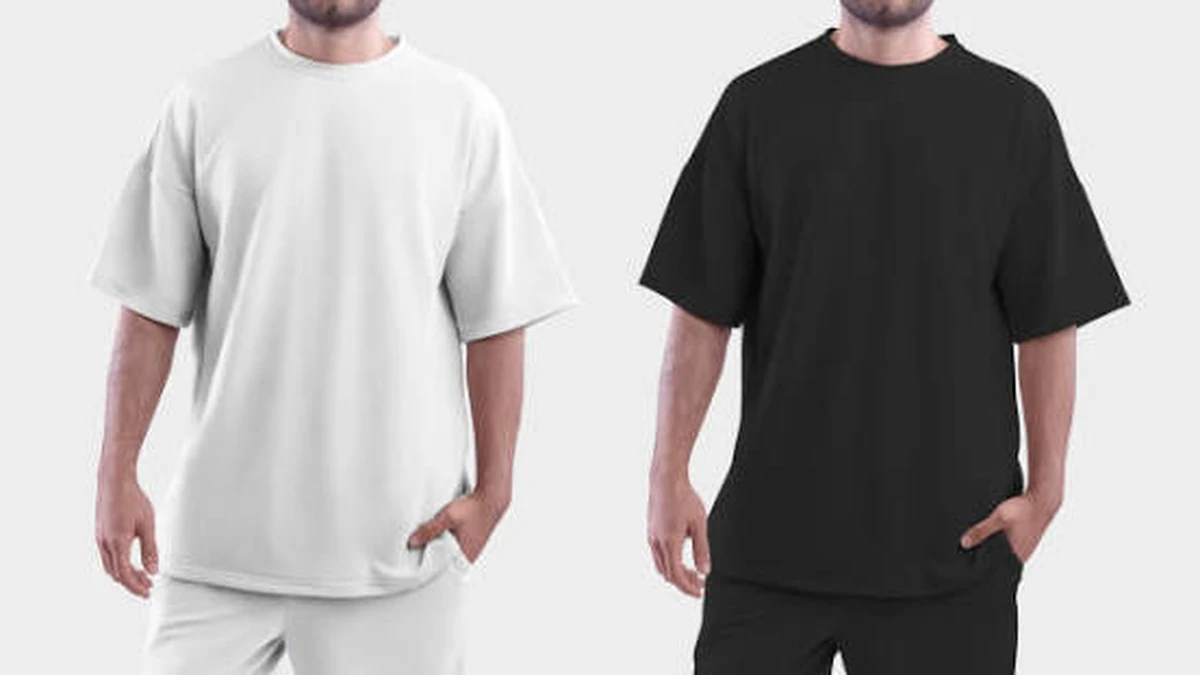
Buy an oversized hoodie two sizes too big, and you don’t look relaxed—you look like you borrowed your dad’s laundry. That’s the gap between “big” and “oversized,” and almost nobody explains it clearly. This oversized fit guide fixes that.
Quick answer: An oversized fit means the garment is deliberately cut wider in the chest and shoulders — usually with a dropped shoulder seam — while still keeping the hem, sleeve length, and overall proportion controlled. It’s different from simply buying a bigger size, which just scales everything up unevenly and often ends up baggy in the wrong places, like the neckline or sleeve length.
What “Oversized Fit Guide” Actually Means
People use “oversized,” “baggy,” and “relaxed” like they’re interchangeable. They’re not, and mixing them up is why so many first attempts at the look fall flat.
- Relaxed fit is a slightly looser version of a regular fit — a bit more room through the body, minimal change elsewhere.
- Baggy usually describes bottoms — jeans or joggers cut wide through the leg, often with excess fabric that pools or stacks at the ankle.
- Oversized is a design choice, not a sizing accident. The shoulder seam drops past your natural shoulder line, the chest gets extra room to move, and the whole piece is patterned that way from the start.
Here’s the test that most guides skip: if you take a regular-fit t-shirt and buy it two sizes up, the shoulder seam usually lands somewhere near your bicep instead of dropping cleanly off the shoulder. That’s a “sized up” piece, not a true oversized one. A properly designed oversized tee or hoodie is cut with that drop built in, so the proportions still look intentional even though there’s more fabric.
How to Size an Oversized Piece Correctly
This is the part most guides gloss over, and it’s the difference between looking styled and looking like you grabbed the wrong size by accident.
The Shoulder Test
Try the piece on and look at where the seam sits. On a well-fitted oversized garment, the shoulder seam should sit roughly one to two inches down your upper arm — not at your elbow, and not still sitting on your actual shoulder like a regular fit. If it’s flopping past your bicep, size down.
How Many Sizes Up, by Garment
There’s no single universal rule, because different garments are built around different proportions. As a practical starting point:
| Garment | Typical Sizing Move | What to Check |
|---|---|---|
| Hoodie / crewneck | 1 size up from your normal fit, or “true to oversized size” if the brand designs it that way | Shoulder drop, cuff length not swallowing your hand |
| Graphic tee | 1 size up | Hem should hit mid-hip, not knee |
| Denim jacket / overshirt | True to size in an “oversized” cut, or 1 size up in a regular cut | Shoulders shouldn’t droop past your arm |
| Cargo/wide-leg pants | True to waist size, oversized comes from the leg cut, not the waist | Never size up in the waist — use a drawstring or belt instead |
The biggest mistake here: sizing up in the waist on pants to get an oversized look. That just makes them fall off your hips. Oversized bottoms get their volume from the leg silhouette (wide-leg, stacked, or cargo cut), not from a bigger waistband.
Fabric and Construction Cues That Separate Good Oversized From Sloppy
Fabric weight does a lot of the work here, and it’s rarely explained well. A lightweight, thin cotton tee sized up just hangs — no shape, no movement, nothing to hold the drape. Heavyweight cotton (think 250–400 GSM for hoodies and tees) has enough structure to fall cleanly instead of clinging or collapsing.
For jackets and outerwear, look for faux leather, denim, or heavier twill — these fabrics hold a shoulder line even when the cut is loose. Satin and silky fabrics can work oversized too, but they behave differently; they drape rather than structure, which reads more “fashion” than “streetwear.”
One more practical note competitors rarely mention: pre-shrunk fabric matters more on oversized pieces than regular ones. A regular-fit shirt that shrinks 5% is barely noticeable. An oversized piece that shrinks unevenly can lose the exact proportions that made it look intentional in the first place. Check the care label, and wash cold when possible.
Proportion Rules: What to Pair With Oversized Pieces
This is the single most repeated tip across every competitor guide, and it’s repeated because it’s true: oversized on top needs balance on the bottom, and oversized on the bottom needs balance on top. Wearing everything loose at once usually reads as “still in pajamas,” not “styled.”
Oversized Top + Fitted Bottom
An oversized hoodie or dropped-shoulder tee pairs cleanly with straight-leg or slim jeans, tapered joggers, or fitted cargo pants. The hoodie carries the volume; the pants give the outfit a line to sit on instead of collapsing into one shapeless block.
Oversized Bottom + Fitted Top
Wide-leg or stacked denim pairs well with a more fitted, structured top — a regular-fit tee with a defined shoulder, or a cropped jacket. The rule holds either direction: one half of the outfit needs to be closer to your body.
If you genuinely want to wear oversized on both top and bottom, keep one element controlled — a cinched drawstring at the hoodie hem, sleeves pushed up, or pants that taper and stack cleanly at the ankle instead of pooling. A little bit of visible shape (collarbone, wrist, ankle) keeps the whole look from swallowing your frame.
Styling Oversized for Your Body Type
Most guides treat oversized as one-size-fits-all advice. It isn’t, and this is where a lot of people get discouraged and give up on the trend entirely.
- Petite: Keep the oversized piece to one item, not the whole outfit. A cropped or slightly rolled hem on the top prevents it from reading as “wearing a tent.” Pair with a higher-rise, more fitted bottom to keep your leg line visible.
- Tall: You can usually handle more volume without it overwhelming your frame. Watch sleeve and hem length specifically — on tall frames, “oversized” sizing sometimes runs short rather than long, so try before you buy where possible.
- Curvy: Look for pieces with shoulder structure rather than shapeless drape. A defined shoulder seam plus a slightly cinched waist (drawstring, half-tuck, or belt) keeps the silhouette intentional instead of shapeless.
None of these are rules carved in stone — they’re starting points. The shoulder test and proportion balance from the sections above apply no matter your frame.
Common Oversized Fit Mistakes (and Quick Fixes)
- Sizing up everywhere at once. Fix: only let one piece carry the volume — top or bottom, not both, unless you’re intentionally cinching one.
- Buying “big” instead of “designed oversized.” Fix: use the shoulder test before buying, especially online.
- Pairing bulky shoes with an already-baggy outfit. Fix: chunky sneakers ground an oversized look; anything already wide or overly padded competes with it instead.
- Ignoring hem length on tees and hoodies. Fix: mid-hip is the sweet spot; past mid-thigh starts to look accidental rather than styled.
- Clashing graphics and prints. Fix: if the oversized piece has a bold graphic, keep everything else — pants, shoes, accessories — simple.
- Skipping the movement test. Fix: before committing to a fit, move your arms, sit down, and check the shoulder and armhole don’t restrict you. An oversized piece should feel loose but not sloppy in motion, either.
Layering Oversized Pieces for Cold Weather
Layering is where oversized fits genuinely shine, because the extra room accommodates what’s underneath instead of fighting it. A regular-fit tee or long sleeve under an oversized hoodie, then a structured jacket or denim overshirt on top, builds depth without bulk. Keep layer lengths staggered — each piece slightly shorter or longer than the one under it — so the layers read as intentional rather than stacked randomly.
For genuinely cold weather, a heavyweight oversized hoodie under a fitted or structured coat (rather than another oversized layer) keeps the silhouette from ballooning out of control.
What to Look For When Shopping Oversized
Brands like Nike, Adidas, New Balance, Uniqlo, Zara, and H&M all carry accessible oversized basics, while labels like Fear of God Essentials and Supreme helped popularize the drop-shoulder oversized silhouette in streetwear specifically. When comparing brands or listings, prioritize:
- Product photos or size charts that mention shoulder drop or “boxy fit,” not just “relaxed”
- Fabric weight listed in GSM where possible — heavier generally holds shape better
- Reviews or size guides mentioning true-to-size vs. size-up recommendations
- Return policies, since oversized fit varies more between brands than regular fit does
Interest in the category isn’t slowing down — a 2023 Statista survey on U.S. consumer attitudes found that 29% of 18-to-29-year-olds said they loved oversized clothing, the highest share of any age group surveyed, which tracks with how dominant the look has become in everyday streetwear.
Getting It Right
Oversized isn’t about buying the biggest size available — it’s about choosing pieces designed for that silhouette, checking the shoulder seam, and balancing volume with at least one fitted element elsewhere in the outfit. Start with one oversized piece (a hoodie or tee), test it against the shoulder and proportion rules here, and build outward from there.
If you’re shopping for your first oversized pieces, start with a hoodie in a heavyweight cotton from a brand with a clear size chart — it’s the easiest place to apply everything in this guide before moving on to jackets and denim.
ENJOYED THIS GUIDE? HEAD BACK TO XXBRITS FOR MORE STREETWEAR CONTENT.
FAQ Section
Q1: What does “oversized fit” mean in clothing?
An oversized fit is a garment deliberately designed with extra room in the chest and shoulders, usually with a dropped shoulder seam, rather than a regular-fit piece simply bought in a bigger size.
Q2: How many sizes up should I buy for an oversized look?
It depends on the garment — typically one size up for hoodies and tees, but pants should stay true to your waist size, since oversized volume in bottoms comes from the leg cut, not a bigger waistband.
Q3: Is oversized the same as baggy?
No. Baggy usually refers to bottoms with excess fabric through the leg, while oversized describes a top’s deliberately widened chest and shoulder cut with a dropped seam.
Q4: How do I know if my hoodie is too oversized?
Check the shoulder seam — if it sits past your bicep or the sleeves swallow your hands, it’s sized up rather than properly oversized, and you should size down.
Q5: What pants go best with an oversized hoodie?
Straight-leg jeans, tapered joggers, or fitted cargo pants balance an oversized top best, since the outfit needs one fitted half to avoid looking shapeless.
Q6: Does oversized clothing shrink more than regular fit?
Uneven shrinkage matters more on oversized pieces because it can distort the exact proportions that made the cut look intentional, so pre-shrunk fabric and cold washing are worth prioritizing.
Q7: How should petite body types wear oversized clothing?
Stick to one oversized piece at a time, consider a cropped or rolled hem, and pair with a higher-rise, more fitted bottom to keep the outfit from overwhelming a smaller frame.
Q8: What fabric works best for oversized pieces?
Heavier fabrics like heavyweight cotton, denim, and faux leather hold structure and drape properly, while very lightweight fabric tends to hang shapelessly when sized up.