
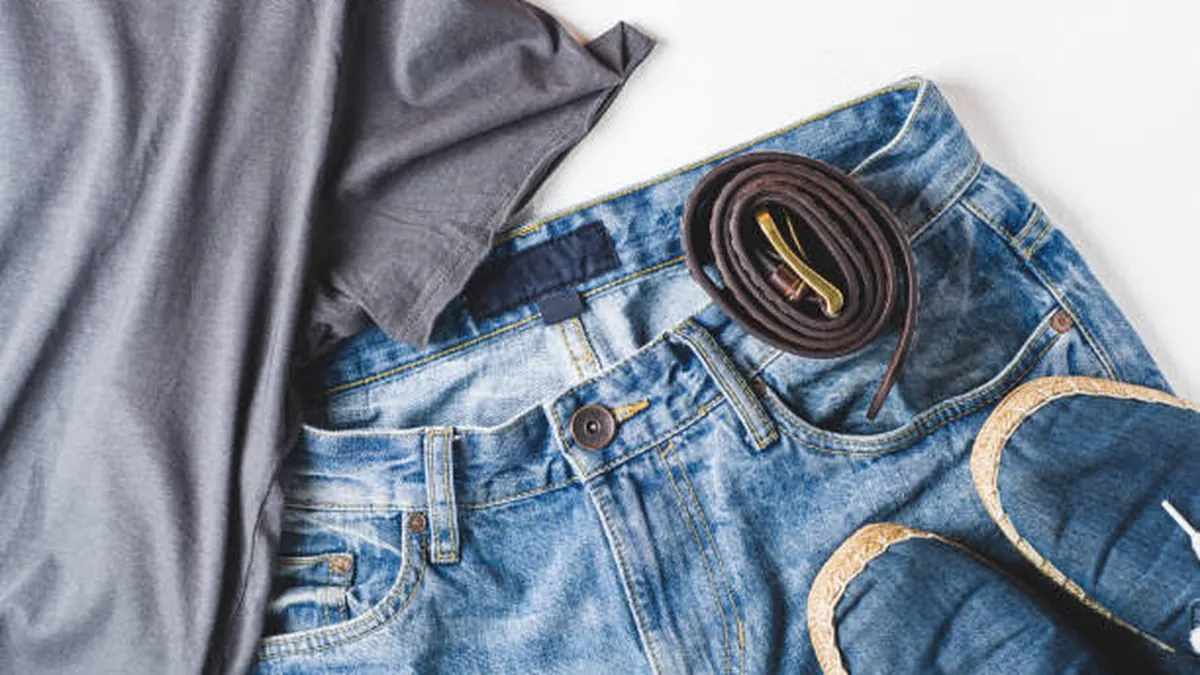
Learning how to accessorize streetwear is what separates a hoodie-and-joggers combo that looks like pajamas from one that looks like a fit. Most people either skip accessories entirely or pile on too many, and both mistakes are equally easy to spot from across the street.
Quick answer: To accessorize streetwear, pick two to three pieces that work together — usually one headwear item, one piece of jewelry or a bag, and one small detail like socks or sunglasses. Match metal tones, keep colors coordinated with your base outfit, and let one piece lead instead of competing for attention.
How to Accessorize Streetwear: What Actually Counts as an Accessory
Streetwear accessories fall into a handful of categories, and knowing them makes it easier to build a look on purpose instead of grabbing whatever’s on the dresser.
- Headwear — caps, bucket hats, beanies, balaclavas
- Jewelry — chains, rings, bracelets, layered necklaces, watches
- Bags — crossbody bags, fanny packs, totes, backpacks
- Eyewear — sunglasses
- Small details — visible socks, belts, pins, patches
None of these need to be expensive to work. A canvas belt and a plain dad hat do more for an outfit than most people give them credit for, mostly because they finish a silhouette instead of just decorating it.
How to Accessorize Streetwear the Right Way: Proportion Over Quantity
Here’s the pattern across every well-dressed streetwear fit: bold accessories pair with simple clothing, and simple accessories pair with bold clothing. A graphic hoodie with a loud print doesn’t need a chunky chain fighting it for attention. A plain white tee and straight-leg jeans, on the other hand, is exactly where that chain earns its place.
Most people who ask “how many accessories is too many” already know the answer — they’re asking because something feels off. A simple test: before you leave, take off the last accessory you added. If the outfit still works, leave it off. If it feels unfinished without it, put it back on. Two to three well-chosen pieces almost always beat five competing ones.
Quick Takeaway: Match your accessory volume to your outfit’s volume. Loud clothes, quiet accessories. Quiet clothes, one loud accessory.
How to Accessorize Streetwear with Headwear — Caps, Bucket Hats, Beanies, and Balaclavas
Headwear is the single most consistent accessory across streetwear looks, and it does more silhouette work than people expect — it frames the whole outfit from the top down.
- Snapback caps bring a bolder, more assertive look and work well with graphic tees or looser fits.
- Dad hats and six-panel caps with a slight curve read cleaner and more minimal — good for tonal or neutral outfits where you don’t want extra noise.
- Bucket hats are having a real moment again, pulling from ’90s and early-2000s streetwear. Patterned or logo versions add personality; plain ones are easier to match to more outfits.
- Beanies are the cold-weather default. Slouchy for a relaxed vibe, cuffed once for something cleaner. Wear them slouched at the back rather than pulled down over the ears — that’s the detail that separates streetwear styling from just staying warm.
- Balaclavas are the boldest option here and work best as the single statement piece in a minimal outfit, not layered on top of other loud accessories.
Neutral colorways — black, cream, olive, navy — pull the most weight because they match nearly everything else in a streetwear wardrobe, which matters if you’re building a small rotation rather than buying new pieces constantly.
How to Accessorize Streetwear with Jewelry — Chains, Rings, Bracelets, and Mixing Metals
Chains are probably the accessory people associate most with streetwear, and for good reason — a simple hoodie-and-cargos combo can look completely different with one added.
A few things that actually make jewelry look intentional instead of random:
- Pick one dominant metal tone. Gold or silver as the lead, with the other used sparingly as an accent, keeps things from looking cluttered.
- Layer thin chains under one thicker statement piece rather than stacking multiple heavy pieces of the same weight.
- Stack rings and bracelets in odd numbers — two or three tends to look more deliberate than an even, symmetrical set.
- Start with one or two pieces if you’re new to this and build from there. It’s easier to add than to walk back an outfit that’s trying too hard.
Watches fit here too — a digital watch leans sporty, an analog one adds a slightly more polished edge, and either should coordinate with whatever metal tone you’ve already committed to.
How to Accessorize Streetwear with Bags — Crossbody, Fanny Pack, Tote, and Backpack
Bags in streetwear stopped being purely functional a while ago — they’re a visible part of the outfit now, not just something to carry your phone in.
Crossbody bags are the most common pick for a reason: worn across the chest or at the hip, they add visual interest at the torso without disrupting the rest of the fit. Nylon versions read casual, small leather ones read slightly dressier.
Fanny packs / waist bags lean into the utility side of streetwear and pair naturally with cargo pants or joggers.
Totes have become one of the two dominant bag formats in recent seasons, alongside the small crossbody — both solve the same problem of carrying essentials without a bulky backpack breaking up the silhouette.
Backpacks still work, especially technical or minimal ones, but they read more practical than styled — better for a low-key day than a fit you’re trying to make a statement with.
Size matters more than people think: a bag that’s too large overwhelms a slim-fit top, while one that’s too small can look like an afterthought. Match the scale of the bag to the rest of your outfit.
How to Accessorize Streetwear with Eyewear and Small Details — Sunglasses, Socks, Belts
Sunglasses add mystery and finish a look fast. Aviators and wayfarers are the safe, timeless choices; oversized frames or colored lenses make more of a statement. Pick a shape that suits your face — that one decision does more for how the glasses read than the brand does.
Socks are an underrated finishing detail. Visible socks with bold patterns, brand logos, or a solid color that plays off your sneakers can tie a whole outfit together, especially with shorts or cropped pants. Keep them clean and unstained — nothing undercuts a good fit faster than a beat-up pair peeking out.
Belts are easy to skip but worth including once your pants have any visible waistband. Canvas belts keep things casual, leather adds a bit of polish, and a chain belt brings some edge if the rest of the outfit can support it.
How to Accessorize Streetwear by Season — Winter vs. Summer
Accessorizing isn’t static across the year, and most guides skip this part entirely.
Cold weather shifts the priority list toward function first: beanies, balaclavas, and scarves that can handle wind and temperature swings, plus layering jewelry over thicker fabrics like fleece or knitwear where a thin chain would otherwise disappear.
Warm weather flips it — caps and sunglasses move to the front, bags get lighter (nylon crossbody over a padded backpack), and chains become more visible again against a plain tee instead of being hidden under a hoodie.
Rotating accessories seasonally isn’t just about comfort — it also keeps your rotation feeling current instead of stuck in one mode year-round.
How to Accessorize Streetwear on Any Budget — Mixing Price Points the Right Way
Streetwear has always leaned on the tension between high-end and affordable pieces, and that mix is part of the style, not a compromise. Pairing a thrifted bucket hat with one designer bag, or an inexpensive chain next to a pair of premium sneakers, creates the kind of dynamic, unmatched-on-purpose look that pure luxury dressing doesn’t have.
The practical version of this: spend on the one piece you’ll wear constantly — a good bag or a pair of sneakers — and treat headwear, socks, and smaller jewelry as the places to experiment cheaply. Accessories are the lowest-risk way to try a new direction without committing to an expensive new wardrobe.
Common Mistakes to Avoid When Accessorizing Streetwear
- Over-accessorizing. Stacking every category at once — cap, chains, bag, sunglasses, belt, patterned socks — reads as costume, not style. Pick two or three and let them breathe.
- Clashing metal tones without intention. Random gold-and-silver mixing looks unfinished; one dominant tone with the other as an accent looks deliberate.
- Ignoring proportion. Loud accessories on an already loud outfit competes with itself instead of completing it.
- Wrong bag size. Oversized bags overwhelm slim silhouettes; undersized ones get lost against baggier pieces.
- Beat-up basics. Scuffed sneakers or stained socks undercut expensive accessories faster than anything else.
How to Accessorize Streetwear Every Morning: A Simple Formula You Can Reuse
- Start with your base outfit and note its volume — is it loud (graphic, oversized) or quiet (plain, fitted)?
- Pick one headwear piece that fits the season and the outfit’s tone.
- Add one jewelry piece or one bag — not both unless your outfit is genuinely minimal.
- Finish with one small detail — socks, sunglasses, or a belt — that ties the rest together.
- Run the removal test. Take off the last piece you added. If the fit still works, leave it off.
That’s the whole system. Once it’s automatic, accessorizing stops being a decision you have to think about every morning.
Streetwear accessorizing isn’t about owning more pieces — it’s about knowing which two or three to reach for on a given day. Start with headwear and one other category, apply the proportion rule, and build out from there as you figure out what actually fits your style. The next step is simple: go stand in front of your closet and try the removal test on tomorrow’s outfit.
ENJOYED THIS GUIDE? EXPLORE MORE HERE FOR MORE STREETWEAR CONTENT.
FAQ Section
Q1: How many accessories should you wear with streetwear?
Two to three is the sweet spot for most outfits. Loud clothing calls for fewer, quieter accessories, while simple clothing can support one bolder piece. More than three tends to compete rather than complete the look.
Q2: What accessories go with streetwear?
Common categories include caps, bucket hats, beanies, chains, rings, bracelets, crossbody bags, fanny packs, totes, sunglasses, belts, and visible socks. Most outfits only need pieces from two or three of these categories at once.
Q3: How do you accessorize a hoodie?
Add a cap or beanie, one chain or a crossbody bag, and coordinate the color palette with the hoodie itself. Keep jewelry visible at the neckline if the hoodie is unzipped, and let the hood stay simple rather than adding more on top.
Q4: Can you mix silver and gold jewelry with streetwear?
Yes, but pick one metal as the dominant tone and use the other sparingly as an accent. Mixing evenly without a clear lead tends to look accidental rather than intentional.
Q5: What bag is best for streetwear?
Crossbody bags are the most versatile pick since they add visual interest without disrupting the outfit’s silhouette. Totes and fanny packs work well too, depending on how much you need to carry and the rest of your outfit’s proportions.
Q6: How do you accessorize streetwear in winter?
Prioritize function first — beanies, balaclavas, and scarves that handle cold and wind — then layer jewelry over thicker fabrics like fleece so it stays visible. Bags can shift to something padded without losing style.
Q7: Is it okay to mix cheap and designer accessories in streetwear?
Yes — it’s actually part of the aesthetic. Pairing a thrifted piece with one higher-end item, like a designer bag or premium sneakers, creates the contrast streetwear is known for, rather than looking mismatched.
Q8: What’s the biggest mistake people make when accessorizing streetwear?
Over-accessorizing — stacking headwear, jewelry, a bag, sunglasses, and a belt all at once. The fix is picking two or three pieces that share a color or metal tone and letting the rest of the outfit stay simple.